
The New Geography of Technology: How Distributed Innovation Is Rewriting Global Business Strategy in 2026
The global technology landscape in 2026 bears little resemblance to the world that elevated Silicon Valley to near-mythical status at the turn of the century. What was once a largely California-centric narrative has evolved into a distributed, multi-polar system of innovation that spans North America, Europe, Asia, the Middle East, Africa, and Latin America. For the readership of BizFactsDaily.com, which is built around rigorous analysis, practitioner-level insight, and decision-ready intelligence, this shift is not an abstract trend; it is a structural realignment that directly affects capital allocation, market entry strategies, technology roadmaps, and long-term risk management. The emerging configuration of global tech hubs reflects deep macroeconomic realignments, demographic transitions, accelerated digital infrastructure deployment, and the rapid commercialization of artificial intelligence, advanced semiconductors, renewable energy solutions, robotics, and cybersecurity. Talent, capital, and intellectual property no longer orbit a single gravitational center but instead move dynamically across borders, creating a constellation of powerful regional ecosystems that executives, investors, and founders must understand in detail.
Silicon Valley remains a critical anchor, but its role has shifted from singular dominance to that of a leading node in a far broader network. High living costs, regulatory complexity, intensifying global competition for skilled workers, and the normalization of distributed work have all contributed to a world in which high-impact companies can be built from Seoul, Singapore, Berlin, Bangalore, or São Paulo as readily as from San Francisco. The democratization of AI models, the ubiquity of cloud infrastructure, and the growing maturity of global venture capital markets have dramatically lowered the barriers to entry for entrepreneurs in both mature and emerging economies. For leaders who rely on BizFactsDaily's coverage of global economic shifts and technology evolution, the imperative is clear: competitive advantage increasingly depends on understanding where innovation is emerging, how it is being financed, which regulatory regimes are enabling or constraining it, and how these dynamics intersect with geopolitical risk.
This structural transformation cannot be separated from the broader post-pandemic recalibration of supply chains, the internationalization of research collaboration, the acceleration of digital transformation in both the public and private sectors, and a visible reordering of geopolitical alliances. To anticipate where value will be created over the next decade, decision-makers must examine the specific strengths, policy frameworks, and strategic ambitions of the world's leading and rising technology hubs, recognizing that the future of business will be shaped by an interconnected but highly differentiated global innovation network.
Silicon Valley's Enduring Power and Its Redefined Role
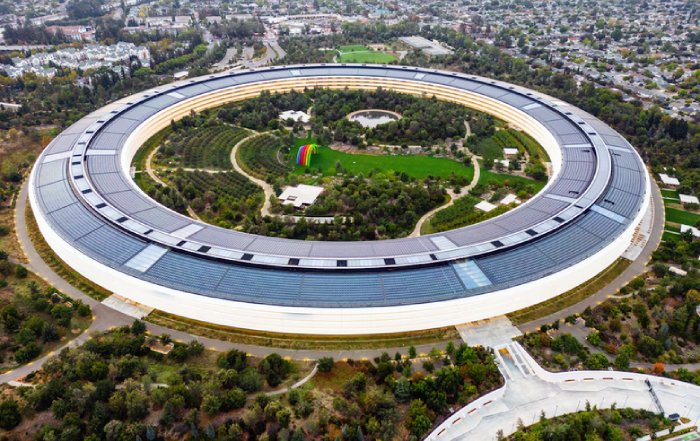
Silicon Valley's legacy as the original epicenter of modern digital innovation remains indisputable. The dense concentration of venture capital, top-tier universities, experienced operators, and a culture that embraces risk and rapid iteration enabled companies such as Apple, Google, Meta, Nvidia, and OpenAI to become foundational pillars of the global economy. Even in 2026, the Valley remains the world's most influential reference point for scaling technology businesses, particularly in AI, cloud computing, and enterprise software. Yet its position has transitioned from near-monopoly to premier participant in a broader, more competitive field.
The rise of remote and hybrid work has allowed global talent to live and build outside California while still accessing international customers, capital, and partners. At the same time, other regions have deliberately designed policy frameworks, incentive structures, and digital infrastructure to attract entrepreneurs who once had little choice but to relocate to the Bay Area. Institutions such as the World Bank, through its extensive digital development insights, regularly benchmark emerging ecosystems against the Valley's historic strengths, while also documenting how new hubs are closing the gap in areas such as broadband access, startup density, and innovation financing. For BizFactsDaily readers, the key is not to view Silicon Valley as "declining," but rather as one powerful node in a more distributed system, whose influence is amplified or constrained depending on how effectively organizations integrate Valley-based capabilities into global strategies. This context is further explored in BizFactsDaily's analysis of business strategy and competition and the evolution of innovation ecosystems.
Seoul: South Korea's Strategic Leap into Deep Tech Leadership
Among the most striking stories of the last decade is Seoul's rise from industrial powerhouse to deep tech leader. Building on decades of success in consumer electronics and telecommunications, anchored by giants such as Samsung and LG, South Korea has systematically repositioned itself as a global center for artificial intelligence, advanced semiconductors, robotics, and cybersecurity. Heightened geopolitical tensions, combined with supply chain vulnerabilities in chip manufacturing, have led the country to treat semiconductor resilience as a matter of national security, driving large-scale public and private R&D investment and incentivizing domestic capacity across the value chain.
Analyses from the OECD, accessible through its digital economy research, consistently rank South Korea among the world leaders in innovation intensity, broadband penetration, and advanced manufacturing capabilities. The national AI strategy, updated through 2025 and refined in 2026, seeks to position the country among the top tier of AI-driven economies, with particular emphasis on industrial AI, autonomous mobility, smart cities, and healthcare. Startups in Seoul benefit from well-funded public-private partnerships, close collaboration with universities and research institutes, and a domestic market that is both technologically sophisticated and willing to adopt new digital services at scale. Smart city initiatives in Songdo, integrated digital identity frameworks, and highly interoperable payment systems provide a real-world testbed for future urban technologies. For BizFactsDaily's readership, following South Korea's trajectory through our coverage of artificial intelligence is increasingly important when assessing global competition in semiconductors, robotics, and 5G-enabled services.
Singapore: The Governance-First Blueprint for Innovation
Singapore has built a distinct model of technological ascendancy based on governance excellence, regulatory predictability, and long-term strategic planning. Rather than relying solely on a large domestic market, the city-state has positioned itself as a trusted hub for cross-border finance, digital trade, and data flows, attracting multinational technology firms, high-growth startups, and institutional investors. Its world-class digital infrastructure, advanced AI governance frameworks, and robust cybersecurity posture have made Singapore a preferred base for regional headquarters and R&D centers across Southeast Asia and beyond.
The IMF, in its digital economy research, frequently highlights Singapore as a benchmark for regulatory innovation, particularly in fintech, blockchain, and digital identity. Regulatory sandboxes, clear guidelines on AI ethics, and strong intellectual property protection give companies the confidence to test and scale new technologies in a controlled yet business-friendly environment. Comprehensive talent development programs, combined with progressive immigration policies for highly skilled professionals, ensure a steady supply of expertise in data science, cybersecurity, and financial engineering. For decision-makers tracking how policy frameworks shape innovation outcomes, BizFactsDaily's detailed coverage of the world economy and digital finance underscores why Singapore is often viewed as a model for mid-sized economies seeking to punch above their weight in the global technology arena.
Europe's Technology Renaissance: From Berlin to London, Stockholm to Amsterdam
While Europe was once criticized for lagging behind the United States and parts of Asia in digital innovation, the continent has experienced a quiet but substantial technology renaissance. This progress is driven by a combination of regulatory sophistication, high levels of social trust, strong public investment in research, and a growing cadre of experienced founders and operators. Berlin has emerged as a magnet for startups in AI, mobility, and sustainability, drawing on a diverse, international workforce and a vibrant creative culture that encourages experimentation. London, despite navigating the complexities of Brexit, remains Europe's dominant fintech hub, leveraging its deep financial markets and institutions such as HSBC and Barclays to advance digital payments, regtech, and blockchain-based solutions.
Stockholm, birthplace of Spotify and a range of other digital success stories, continues to generate high-performing software and sustainability-focused companies, supported by a strong welfare state and an education system that encourages STEM excellence. Amsterdam, with its strategic logistics infrastructure, high English proficiency, and commitment to green technology, has become a preferred base for climate tech, e-commerce, and digital logistics ventures. The European Commission, through its comprehensive digital strategy portal, provides ongoing visibility into Europe's approach to AI regulation, data governance, and digital market integration, illustrating how coherent policy can support innovation rather than inhibit it. For BizFactsDaily readers analyzing the convergence of finance and technology, our coverage of banking transformation and crypto evolution helps clarify how European hubs are shaping the future of digital assets, open banking, and regulatory technology.
Bangalore and Shenzhen: Asia's Dual Engines of Scale and Speed
No account of the new geography of technology is complete without recognizing the complementary strengths of Bangalore and Shenzhen, which together exemplify Asia's ability to combine scale, technical sophistication, and entrepreneurial dynamism. Bangalore's evolution from an outsourcing destination to a global center for AI, cloud engineering, and enterprise software has been driven by large IT services firms such as Infosys, TCS, and Wipro, as well as a rapidly expanding startup ecosystem that serves both domestic and international markets. The city benefits from India's digital public infrastructure, including Aadhaar-based identity, the Unified Payments Interface, and low-cost mobile data, which have dramatically expanded the addressable market for digital services. Macro-level analysis from the Reserve Bank of India, available via its official reports, highlights how these platforms have underpinned financial inclusion, e-commerce, and platform-based innovation across the country.
Shenzhen, by contrast, illustrates the power of co-locating R&D, design, and high-volume manufacturing. Home to Huawei, Tencent, DJI, and BYD, the city has become synonymous with rapid hardware iteration, integrated supply chains, and aggressive global expansion in telecommunications, consumer electronics, drones, and electric vehicles. Its dense network of component suppliers, contract manufacturers, and engineering talent allows companies to move from prototype to mass production in a fraction of the time required in many Western markets. The UNCTAD science, technology and innovation insights underscore how Shenzhen and other Chinese hubs have shifted the world's technological center of gravity toward Asia, particularly in hardware-intensive sectors. For BizFactsDaily readers, these developments intersect with themes explored in our coverage of technology and stock markets, as public and private investors seek exposure to Asia's deep tech and consumer internet growth.
Tel Aviv: Security-First Innovation with Global Reach
Tel Aviv has established itself as a uniquely potent technology hub built on the intersection of cybersecurity, military-grade research, and entrepreneurial agility. Israel consistently ranks among the world's leaders in venture capital investment as a share of GDP, with a disproportionate number of startups focused on cybersecurity, encryption, threat intelligence, and AI-driven monitoring. The close relationship between elite military technology units and the civilian startup ecosystem has created a pipeline of founders who combine technical depth with operational discipline and a global mindset.
Research from the RAND Corporation, documented in its technology and security analysis, examines how Israel's security environment and defense investments have catalyzed commercial innovation in areas such as secure communications, critical infrastructure protection, and autonomous systems. Tel Aviv-based companies often design for global markets from day one, targeting customers in the United States, Europe, and Asia with solutions that address increasingly complex cyber threats. For readers of BizFactsDaily tracking the intersection of geopolitics, security, and commerce, our global business coverage provides further context on how Tel Aviv's ecosystem fits into the broader competitive landscape of defense tech and critical infrastructure resilience.
Toronto and Montreal: North America's AI Research and Ethics Anchors
Canada's emergence as an AI research superpower is centered on Toronto and Montreal, where leading institutions such as the Vector Institute and Mila, founded by Yoshua Bengio, have shaped the global trajectory of machine learning and deep learning. These cities have attracted world-class researchers and partnerships with multinational companies seeking to develop AI capabilities in an environment that emphasizes both innovation and responsible deployment. Canadian policymakers have articulated AI governance and ethical frameworks that align closely with international standards, reinforcing the country's reputation as a trusted player in the global AI ecosystem.
The OECD AI Policy Observatory provides comparative data on AI readiness and regulation, frequently highlighting Canada's contributions to responsible AI development and cross-border collaboration. Toronto's strengths in fintech, healthcare technology, and enterprise AI, combined with Montreal's research intensity and strong linkages between academia and industry, create a balanced model of commercialization and fundamental research. For BizFactsDaily readers focused on the business implications of AI, our in-depth AI insights examine how organizations can leverage Canadian expertise while navigating evolving regulatory expectations in North America and beyond.
Vision-Driven Innovation in the Middle East: Dubai, Riyadh, and Abu Dhabi
The Middle East, once primarily associated with energy exports, has made significant strides toward becoming a center of digital and deep tech innovation. Cities such as Dubai, Riyadh, and Abu Dhabi are executing long-term national strategies that prioritize economic diversification, human capital development, and technology leadership. Dubai has positioned itself as a global hub for fintech, logistics technology, and smart city solutions, supported by advanced digital identity systems, e-government platforms, and world-class transport infrastructure. The UAE digital government portal provides a window into the country's efforts to integrate digital services across public and private sectors.
Riyadh's Vision 2030 agenda has accelerated investment in AI, biotech, gaming, and clean energy, backed by substantial sovereign wealth resources and an increasingly open approach to foreign investment. Abu Dhabi complements these efforts with deep-tech R&D initiatives and strategic capital deployment through entities like Mubadala, targeting semiconductors, space technology, and advanced materials. For BizFactsDaily's global audience evaluating cross-border opportunities, our investment coverage and news analysis highlight how these Gulf hubs are reshaping capital flows and offering new platforms for regional and international expansion.
Latin America's Emerging Digital Powerhouses
Latin America has moved decisively beyond its historic image as a peripheral technology market. Cities such as São Paulo, Mexico City, and Bogotá are now central to the region's digital transformation, particularly in fintech, e-commerce, and mobility. São Paulo's ecosystem supports a growing population of high-growth startups in digital banking, logistics, and software-as-a-service, backed by local and international venture funds that now view Latin America as a strategic growth frontier. Mexico City has become a focal point for digital banking and payments innovation, leveraging a large unbanked population and rising smartphone penetration to drive adoption of neobanks and alternative lending platforms.
Bogotá, meanwhile, has distinguished itself through digital government initiatives and efforts to strengthen entrepreneurial infrastructure, including accelerators, co-working spaces, and university-industry collaboration. The Inter-American Development Bank offers detailed perspectives on these trends through its technology insights, emphasizing the role of digital finance and infrastructure in unlocking inclusive growth. For BizFactsDaily readers, our reporting on banking and business expansion provides practical context on how Latin American hubs are becoming integral to global growth strategies, particularly for companies seeking diversified exposure across the Americas.
Africa's Innovation Corridors: Nairobi, Lagos, and Cape Town
Africa's technology narrative has shifted from isolated success stories to a more cohesive picture of regional innovation corridors, anchored by cities such as Nairobi, Lagos, and Cape Town. Nairobi, propelled into the global spotlight by the mobile money platform M-Pesa, has become a symbol of frugal, inclusive innovation, where digital financial services, agri-tech solutions, and health platforms address pressing local needs while generating models applicable to other emerging markets. Lagos, driven by Nigeria's large and youthful population, has emerged as a powerhouse in fintech, entertainment technology, and e-commerce, with startups increasingly attracting significant international investment.
Cape Town combines strong research institutions with a growing community of AI and renewable energy companies, positioning South Africa as a regional leader in deep tech and climate-focused innovation. The GSMA, through its Mobile Economy reports, documents the rapid growth of mobile connectivity and digital services across the continent, underscoring the potential for leapfrogging traditional infrastructure constraints. BizFactsDaily's coverage of employment trends and sustainable business models explores how Africa's digital expansion is reshaping labor markets, entrepreneurship, and investment opportunities across both Anglophone and Francophone regions.
Talent as the Ultimate Differentiator in a Distributed Innovation World
As innovation becomes more geographically distributed, the decisive factor increasingly lies in the ability of countries, cities, and companies to attract, develop, and retain high-caliber talent. Engineers, data scientists, cybersecurity specialists, and deep tech researchers are in structural short supply worldwide, prompting governments to introduce specialized visas, tax incentives, and research funding programs designed to compete for global expertise. At the same time, distributed work models and collaboration platforms have normalized multi-hub organizational structures in which teams span time zones and legal jurisdictions.
The World Economic Forum, in its Future of Jobs reports, emphasizes that human capital is now the primary driver of competitive advantage, particularly as routine tasks become increasingly automated by AI and robotics. For organizations that rely on BizFactsDaily's cross-market intelligence, this means talent strategy must be treated as a core component of business strategy, tightly integrated with decisions about where to locate R&D centers, which universities to partner with, and how to structure remote and hybrid work. Our coverage of employment and global economic dynamics provides additional insight into how different regions are approaching the challenge of building future-ready workforces.
AI as the Catalyst Enabling New Hubs to Leapfrog Legacy Centers
Artificial intelligence has become the defining catalyst of this new geography of innovation, enabling smaller or previously under-recognized cities to leapfrog traditional hubs. The combination of cloud-based compute, open-source frameworks, and increasingly accessible foundation models has lowered the cost and complexity of building AI-powered products, allowing startups in markets from Eastern Europe to Southeast Asia to compete directly with incumbents in the United States or Western Europe. Institutions such as MIT, through the MIT Technology Review, regularly document how AI is reshaping industries from banking and logistics to healthcare and manufacturing, highlighting success stories from both established and emerging ecosystems.
For hubs like Seoul, Toronto, London, Berlin, and Singapore, AI is not just a sector; it is an enabling layer that permeates finance, retail, manufacturing, mobility, and public services. As organizations integrate AI into decision-making, operations, and customer engagement, the distinction between "tech" and "non-tech" companies continues to blur. BizFactsDaily's dedicated artificial intelligence section is designed to help senior leaders assess where AI investment is most likely to generate durable competitive advantage, which regions possess the strongest AI research and commercialization capabilities, and how regulatory developments may shape adoption across key markets such as the United States, the United Kingdom, Germany, Canada, Singapore, and South Korea.
Sustainability and Climate Tech as Strategic Differentiators
Sustainability has transitioned from a peripheral concern to a central pillar of competitive strategy, particularly in regions that view climate leadership as both a moral and economic imperative. Nordic countries, Germany, and the Netherlands have positioned themselves at the forefront of renewable energy, circular economy solutions, and climate tech, integrating sustainability into industrial policy, urban planning, and capital markets. Cities like Stockholm and Amsterdam, alongside Vancouver and other environmentally focused hubs, attract global talent and investment by offering not only quality of life but also alignment with mission-driven innovation.
The International Energy Agency, through its sustainable development resources, provides data and analysis on how energy transitions are unfolding across advanced and emerging economies, emphasizing the role of technology in achieving net-zero targets. For BizFactsDaily's audience, sustainability is increasingly evaluated not just as a compliance issue but as a source of long-term resilience and differentiation, influencing everything from supply chain design to brand positioning. Our sustainable business coverage examines how climate tech, green finance, and regulatory shifts in markets such as the European Union, the United States, and Asia-Pacific are affecting strategic planning across sectors.
Investment Flows and Supply Chain Reconfiguration in a Fragmented World
The distribution of global investment has shifted alongside the geography of innovation. Sovereign wealth funds, public-private partnerships, and multinational corporations now deploy capital across a wider range of hubs, balancing exposure between established centers like Silicon Valley and rising ecosystems in Asia, the Middle East, and Latin America. Entities such as Mubadala and the Public Investment Fund (PIF) of Saudi Arabia have become influential players in global tech financing, backing ventures in semiconductors, gaming, cloud infrastructure, and clean energy. Market intelligence from PitchBook, accessible via its industry reports, tracks how venture and growth equity capital are flowing into emerging hubs, offering valuable signals for corporate development and M&A teams.
In parallel, the reconfiguration of global supply chains-accelerated by trade tensions, pandemic-era disruptions, and security concerns-has elevated the strategic importance of manufacturing and logistics hubs in countries such as Vietnam, Thailand, Mexico, and Malaysia. The World Trade Organization, through its trade analysis portal, provides data on how trade diversification is reshaping production networks, with implications for where hardware, components, and even data centers are located. For BizFactsDaily readers, our economy and global sections analyze how these supply chain shifts intersect with technology investment, regional integration, and regulatory risk, informing decisions about sourcing, market entry, and long-term capital deployment.
A Distributed Future: Navigating the Constellation of Global Tech Hubs
Looking toward the remainder of the 2020s, it is increasingly evident that no single city or region will monopolize technological innovation. Instead, the future will be defined by an intricate, distributed network of hubs-Silicon Valley, Seoul, Singapore, Bangalore, Shenzhen, Berlin, London, Stockholm, Amsterdam, Toronto, Montreal, Tel Aviv, Dubai, Riyadh, Nairobi, Lagos, Cape Town, São Paulo, Mexico City, Bogotá, and others-each contributing distinct strengths in AI, fintech, semiconductors, sustainability, cybersecurity, and advanced manufacturing. For the global business community that turns to BizFactsDaily for clarity amid complexity, the strategic imperative is to move beyond legacy assumptions about where innovation "must" occur and instead build flexible, regionally attuned strategies that leverage the unique capabilities of multiple hubs.
Organizations that succeed in this environment will be those that treat global awareness as a core competency, invest in understanding local regulatory and cultural contexts, and design operating models capable of integrating talent, partners, and customers across continents. As BizFactsDaily continues to deepen its coverage across technology, investment, stock markets, and news, the guiding objective remains constant: to equip leaders with the experience-based, authoritative, and trustworthy insight required to navigate a world in which innovation is no longer the domain of a single valley, but the shared endeavor of a truly global constellation of technology hubs.
