
How Digital Twins Improve Planning and Maintenance
Digital twins have moved from experimental pilots to core infrastructure in leading organizations, quietly transforming how complex assets are designed, operated, and maintained. For readers of BizFactsDaily, which closely follows the intersection of business, technology, and global economic trends, digital twins now sit at the crossroads of artificial intelligence, industrial Internet of Things (IIoT), and data-driven management, reshaping planning and maintenance strategies in sectors ranging from manufacturing and energy to healthcare and smart cities.
Understanding What a Digital Twin Really Is
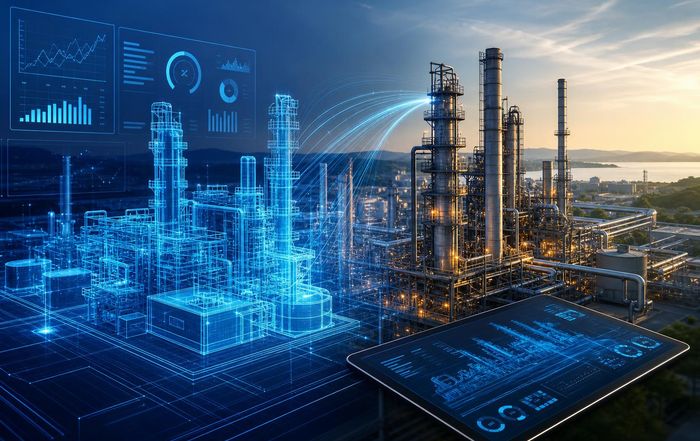
A digital twin is more than a 3D model or a dashboard; it is a dynamic virtual representation of a physical asset, process, or system that is continuously updated with real-world data. According to IBM and Microsoft, this representation incorporates live sensor data, historical records, engineering models, and increasingly, AI-based predictive analytics to mirror the behavior and condition of its physical counterpart in real time.
Unlike traditional simulations, which are often static and run on predefined scenarios, a digital twin evolves over the life cycle of the asset it represents. It can be used during design and planning to test configurations, during operations to monitor performance and predict failures, and during decommissioning to optimize recycling or replacement strategies. This life-cycle perspective is one reason digital twins are becoming central to modern business strategy, particularly in capital-intensive industries where downtime and maintenance costs can significantly impact profitability.
Enabling Better Planning Through Virtual Experimentation
Planning historically relied on a mix of engineering judgment, historical averages, and limited simulations. Digital twins change this by allowing planners to experiment in a high-fidelity virtual environment before committing to real-world changes. As Siemens and Dassault Systèmes describe, organizations can now test different design options, process configurations, and operating conditions in a risk-free digital space, identifying the most efficient and resilient approaches.
In manufacturing, for example, a digital twin of a production line can simulate new product introductions, layout changes, or throughput increases without interrupting ongoing operations. Planners can see how adjustments in machine speeds, staffing levels, or maintenance windows affect bottlenecks, energy use, and quality, then refine plans before implementation. This capability aligns closely with the Industry 4.0 vision promoted by World Economic Forum initiatives, where integrated digital systems drive smarter, more flexible production.
Urban planners and infrastructure owners are adopting similar approaches. Digital twins of cities, supported by platforms like Bentley Systems and Hexagon, allow decision-makers to evaluate the impact of new transportation routes, building developments, or energy networks on traffic flow, emissions, and public services. This is particularly relevant to global sustainability goals, where policy choices must be tested against complex real-world constraints.
For readers of bizfactsdaily, this growing use of digital twins in planning illustrates how data-rich virtual models are becoming strategic assets, not just technical tools, shaping long-term investment decisions, capital allocation, and risk management in both public and private sectors.
Transforming Maintenance: From Reactive to Predictive and Prescriptive
Maintenance is one of the areas where digital twins have the most immediate and measurable impact. Traditionally, organizations relied on reactive maintenance (fixing equipment after it failed) or scheduled preventive maintenance (servicing equipment at fixed intervals). Both approaches carry inefficiencies: reactive maintenance risks costly downtime and safety incidents, while time-based preventive maintenance can result in unnecessary part replacements or labor.
Digital twins, powered by real-time sensor data and analytics, enable condition-based and predictive maintenance. General Electric and other industrial leaders report that by continuously monitoring vibration, temperature, pressure, and other indicators through a twin, it becomes possible to predict when components are likely to fail and schedule interventions at the optimal time. This reduces unplanned outages, extends asset life, and improves safety.
More advanced implementations move into prescriptive maintenance, where the digital twin not only predicts issues but also recommends specific actions, such as adjusting operating parameters, rescheduling loads, or changing maintenance procedures. These recommendations often leverage artificial intelligence and machine learning models trained on historical failure data and operational patterns. Organizations like PTC and Siemens Energy highlight how this approach can reduce maintenance costs and increase asset availability in power plants, wind farms, and other critical infrastructure.
In sectors such as aviation, where reliability and safety are paramount, digital twins of engines and airframes, supported by Rolls-Royce and other aerospace companies, facilitate continuous health monitoring and optimized maintenance planning across fleets. Airlines can align maintenance windows with operational schedules, minimizing disruptions and improving asset utilization, a practice that increasingly shapes stock markets expectations around operational efficiency.
Integrating AI, IoT, and Cloud for Scalable Twins
The modern digital twin sits at the convergence of several technology trends that BizFactsDaily has tracked closely: pervasive sensing through IoT, scalable cloud computing, and advanced analytics and AI. According to McKinsey & Company, successful digital twin programs require not just sophisticated models but also robust data pipelines, governance frameworks, and integration with enterprise systems such as ERP and asset management platforms.
Sensors embedded in equipment or infrastructure feed continuous data into the twin, often through edge computing gateways that filter and preprocess information. Cloud platforms like Microsoft Azure Digital Twins, Amazon Web Services IoT TwinMaker, and Google Cloud's digital twin solutions provide scalable environments to store, process, and analyze this data, while enabling integration with AI services.
AI models, including anomaly detection, time-series forecasting, and reinforcement learning, are increasingly embedded within digital twins to make them more intelligent and autonomous. For example, anomaly detection algorithms can flag subtle deviations from normal behavior long before a human operator would notice, while forecasting models can project future performance under different load or environmental conditions. This AI-enhanced capability links directly to technology and innovation priorities for organizations seeking to differentiate themselves through smarter operations.
Sector-Specific Applications and Global Adoption
Digital twins are being deployed across a wide range of industries, each with distinct planning and maintenance needs, yet sharing common themes of optimization and risk reduction.
In energy and utilities, grid operators and renewable energy firms use digital twins to model power flows, optimize maintenance of turbines and substations, and support the integration of distributed energy resources. Siemens Energy and Schneider Electric illustrate how twins help balance resilience, efficiency, and decarbonization goals, a critical combination as countries in Europe, North America, and Asia modernize their infrastructure.
In construction and real estate, digital twins of buildings and campuses, often based on building information modeling (BIM), are used to plan layouts, simulate energy performance, and manage facilities over their life cycles. Organizations like Autodesk and NVIDIA provide platforms for immersive visualization and simulation, enabling owners and operators to test renovation strategies, maintenance schedules, and occupancy patterns before implementing changes. This is particularly valuable in markets such as the United States, United Kingdom, Germany, and Singapore, where regulatory standards and sustainability expectations are high.
Healthcare providers and medical device manufacturers are exploring digital twins of equipment, hospital workflows, and even human organs. While patient-specific digital twins for routine clinical practice are still emerging and subject to ongoing research, organizations such as Siemens Healthineers and research institutions documented by Nature highlight how virtual models can support planning of surgeries, optimization of imaging equipment maintenance, and improved resource allocation in hospitals.
In transportation and logistics, ports, rail networks, and warehouses are increasingly modeled as digital twins to streamline planning and maintenance. Port of Rotterdam, for example, has been widely cited for its digital twin initiative that helps manage vessel traffic, infrastructure maintenance, and environmental impacts. Similar approaches are being adopted in Asia and North America as global supply chains seek greater resilience and transparency.
These sectoral advances are closely tied to broader economy and investment trends, as institutional investors and corporate boards increasingly scrutinize how digital capabilities, including twins, contribute to operational excellence and long-term value creation.
Financial and Strategic Benefits for Business Leaders
For executives and boards, digital twins are not simply technical projects; they are strategic assets that can materially influence revenue, cost structures, and risk profiles. Studies from Deloitte and Accenture suggest that well-implemented digital twin initiatives can yield measurable improvements in maintenance costs, asset uptime, and planning accuracy, though specific figures vary widely by sector and implementation maturity.
From a planning perspective, digital twins help organizations test investment options more rigorously, reducing the likelihood of costly misallocations. Capital projects can be evaluated with richer scenario analysis, improving confidence in long-term returns and supporting more robust business cases. This is particularly relevant in infrastructure, energy, and manufacturing, where asset lifetimes span decades and uncertainty is high.
From a maintenance standpoint, reductions in unplanned downtime can directly translate into higher throughput, better customer service, and improved safety records. For companies whose valuations are closely tied to operational reliability, such as utilities, airlines, and industrial conglomerates, these improvements can influence market perceptions and, by extension, share prices, which BizFactsDaily readers follow closely.
Moreover, digital twins can support new business models, such as outcome-based service contracts, where equipment manufacturers guarantee uptime or performance and rely on twins to manage risk. This shift aligns with broader servitization trends and can generate recurring revenue streams, an area of growing interest for founders and established enterprises alike.
Workforce, Skills, and Organizational Change
The adoption of digital twins has important implications for employment and skills. Maintenance technicians, planners, and engineers increasingly work alongside data scientists, software developers, and AI specialists to build, maintain, and interpret twins. Organizations report that roles are shifting from purely manual or reactive tasks to more analytical and decision-support functions.
Reports from World Economic Forum and OECD highlight that while automation and AI can displace some routine tasks, they also create demand for new capabilities in data analytics, systems integration, and digital operations management. For readers interested in employment trends, digital twins exemplify how technology can augment human expertise rather than simply replace it, provided that organizations invest in reskilling and change management.
Training programs increasingly include virtual environments where technicians can practice maintenance tasks on digital twins before working on real equipment, improving safety and reducing errors. This approach is particularly valuable in high-risk sectors such as oil and gas, mining, and aerospace, where mistakes can have severe consequences. It also aligns with the broader push toward immersive learning technologies, including augmented and virtual reality.
Organizationally, successful digital twin initiatives often require cross-functional collaboration and clear governance. IT, operations, engineering, and finance must align on data standards, security, and ownership of models and insights. As Gartner notes, digital twins are most effective when embedded in a broader digital thread that connects design, manufacturing, operations, and service, rather than being treated as isolated pilots.
Data Governance, Security, and Ethical Considerations
The power of digital twins depends on data, which raises important questions about governance, security, and ethics. Twins of critical infrastructure, manufacturing lines, or healthcare environments can become sensitive targets for cyberattacks if not properly protected. Organizations such as ENISA and NIST emphasize the need for robust cybersecurity frameworks, segmentation, and continuous monitoring when deploying IoT-connected systems and digital twins.
Data quality and provenance are equally important. Twins built on incomplete, inconsistent, or biased data can produce misleading insights, which in turn can distort planning and maintenance decisions. Establishing clear data ownership, access controls, and validation processes is essential to maintain trust in the twin's outputs. This is an area where BizFactsDaily readers, particularly those in regulated sectors such as banking and healthcare, are paying close attention, as data governance requirements continue to evolve across jurisdictions.
Ethical considerations arise most prominently in human-centric twins, such as those related to patients, workers, or citizens in smart cities. Privacy regulations like the EU's GDPR and similar frameworks in other regions set boundaries on how personal data can be collected, processed, and used. When digital twins incorporate personally identifiable information or behavioral data, organizations must ensure that consent, transparency, and data minimization principles are respected.
Sustainability and the Path to Net Zero
Digital twins play a growing role in sustainability strategies as organizations aim to reduce emissions, waste, and resource consumption. By enabling detailed modeling of energy use, materials flows, and equipment performance, twins help identify opportunities for efficiency improvements and circular economy practices. International Energy Agency and World Resources Institute analyses highlight that digital technologies, including twins, can contribute significantly to decarbonization when deployed thoughtfully.
In manufacturing and logistics, digital twins support route optimization, load balancing, and process redesign to reduce energy consumption and emissions. In buildings and cities, they enable more precise control of heating, cooling, and lighting, as well as better integration of renewables and storage. These capabilities align with the sustainability themes covered on BizFactsDaily's sustainable business page, where readers explore how technology can support both environmental and economic objectives.
Investors and regulators increasingly expect transparent reporting on environmental, social, and governance (ESG) performance. Digital twins can help organizations simulate and track the impact of different strategies on emissions and resource use, improving the quality and credibility of ESG disclosures. While estimates of potential global impact vary and are often debated, there is broad consensus among organizations like UNEP that digital tools, when combined with appropriate policies and behavioral changes, can meaningfully support climate goals.
Emerging Frontiers: Systems-of-Systems and the Industrial Metaverse
The evolution of digital twins is moving from individual assets to interconnected systems-of-systems. Instead of modeling a single machine or building, organizations increasingly create twins of entire factories, supply chains, or city districts. Capgemini and other consultancies observe that this shift allows for more holistic optimization, where planning and maintenance decisions consider interactions across multiple assets and stakeholders.
The concept of an "industrial metaverse," promoted by companies like NVIDIA and referenced by McKinsey, builds on this idea by enabling immersive, collaborative environments where engineers, planners, and operators from different locations can interact with shared digital twins in real time. While the term itself is still evolving and sometimes used loosely, the underlying trend toward richer visualization, real-time collaboration, and cross-organizational integration is clear.
For bizfactsdaily readers focused on innovation and long-term investment opportunities, this emerging landscape suggests that digital twins will not remain confined to operational back rooms. Instead, they are poised to become strategic platforms that connect design, operations, finance, and even customer engagement, influencing how products and services are conceived, delivered, and maintained across global markets.
Positioning for the Future with BizFactsDaily
As of 2026, digital twins stand at an inflection point: no longer experimental curiosities, yet still far from fully realized in many organizations. Early adopters in manufacturing, energy, transportation, and healthcare are demonstrating tangible benefits in planning accuracy, maintenance efficiency, and sustainability performance, while technology providers continue to expand capabilities through AI, cloud, and immersive visualization.
For leaders, investors, and professionals following BizFactsDaily, the key questions are shifting from whether digital twins matter to how quickly and effectively they can be integrated into core business processes. This involves not only selecting the right platforms and partners, but also building internal capabilities, governance structures, and cultural readiness to act on the insights that twins provide.
Readers can explore related themes in artificial intelligence, technology, economy, innovation, and news sections, where the evolving role of data and AI in business transformation is examined in depth. As digital twins become more pervasive and interconnected, they will increasingly shape how organizations plan, maintain, and ultimately reimagine their physical and digital assets, offering a powerful lens through which to understand the next chapter of global economic and technological change.
